
Bearded Dragon Care Tips and Tricks for a Healthy Pet

When caring for a bearded dragon, you’ve got to contemplate several key aspects to guarantee they thrive. A well-thought-out habitat setup with appropriate temperature gradients and UVB lighting is essential. But that’s just the beginning—feeding them a balanced diet of insects and greens, maintaining proper hydration, and handling them gently are equally important. Regular health checks and understanding their unique behaviors, likes hedding and brumation, can make a difference. Curious about how to keep your scaly friend happy and healthy? Let’s delve into each of these Bearded Dragon Care Tips and Tricks for a Healthy Pet in more detail.
Key Takeaways
- Ensure proper tank ventilation with a screened lid and maintain a temperature gradient for optimal health.
- Use a UVB bulb and heat lamp to provide necessary lighting and heat, monitoring temperatures closely.
- Balance the diet with appropriate ratios of insects and leafy greens according to the dragon’s age.
- Maintain humidity levels between 30-40% and avoid exceeding 50% to prevent respiratory problems.
- Provide enrichment through climbing structures, interactive toys, and supervised outdoor walks.

When setting up a habitat for your bearded dragon, it’s essential to ensure they’ve enough space to thrive. An adult bearded dragon needs a minimum of a 40-gallon tank, but larger is always preferable. Opt for a Bearded Dragon Tank measuring 48 x 24 inches. This site provides ample room for climbing, basking, and exploring, which are important for their physical and mental well-being.
A screened lid is necessary for proper ventilation, preventing stagnant air, and maintaining a healthy environment.
When arranging the habitat decor, aim to mimic their natural surroundings. Use rocks, branches, and hides to create a stimulating environment. These elements give your bearded dragon places to climb, explore and help them feel secure.
Establishing a temperature gradient within the tank is essential. Place basking spots at one end with cooler areas at the other. This allows your bearded dragon to regulate their body temperature by moving between the warm and cool zones.

reptileshome
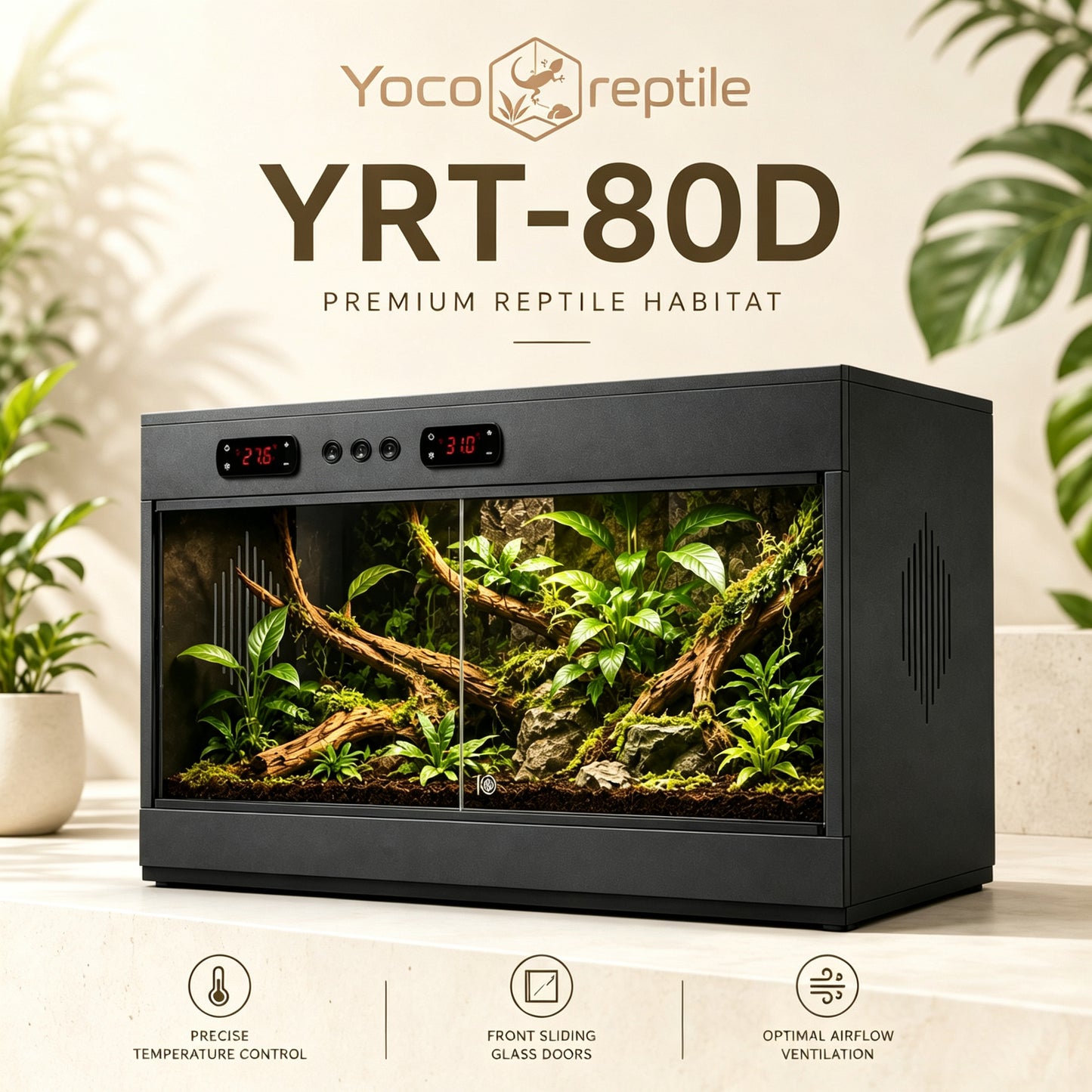
2026 PVC Reptile Terrarium Black 32×16×16"— YRT-80


Temperature and Lighting
Proper temperature and lighting are fundamental for the health and well-being of your bearded dragon. Establishing a temperature gradient in their vivarium would be best, with the hot end reaching 38-42 degrees Celsius and the cool end at 22-26 degrees Celsius. Use a heat lamp to achieve this gradient, placing it at one end of the vivarium. Additionally, bearded dragons require a UVB bulb, ideally a 10-12% fluorescent UV tube, to help prevent metabolic bone disease and replicate their natural habitat.
Monitoring humidity is also crucial. Keep it low and use a hygrometer to maintain levels within the best range.
Maintaining these conditions supports your bearded dragon’s overall health and well-being. Always refer to a care booklet for detailed requirements on heat and lighting to create the finest environment for your pet.

Feeding and Nutrition
A balanced diet is essential for their health when feeding your bearded dragon.
Young dragons need mostly insects, while adults thrive on a plant-based diet.
Always dust insects with calcium and vitamins, and provide a variety of leafy greens and vegetables, along with fresh water daily.
Balanced Diet Essentials
A bearded dragon’s diet is essential to its overall health and well-being, so correcting it is crucial. Bearded dragons need UVB lighting to metabolize calcium, which is necessary for strong bones. Their diet of insects and plants must be balanced, with young dragons consuming 70% insects and 30% plants. As they mature, this ratio should shift to 50% insects and 50% plants.
Insects like crickets, mealworms, and dubia roaches are excellent protein sources. Be sure to gut-load these insects—feeding them nutritious foods before offering them to your dragon—to maximize their nutritional value.
Plants should include leafy greens like collards, mustard, and dandelion greens. Avoid lettuce, as it offers little nutritional benefit.
Supplements are crucial for your bearded dragon’s health. Calcium with vitamin D3 prevents metabolic bone disease, while a multivitamin powder ensures they get all the necessary nutrients. Sprinkle these supplements on their food a few times a week. Fresh water should always be available to keep your bearded dragon hydrated.
Safe Feeding Practices
Feeding your bearded dragon safely involves more than just providing a variety of foods; it’s about guaranteeing each meal is nutritious and free from harmful substances. Start by offering a balanced diet, including live insects like crickets, roaches, and leafy greens, to meet their omnivorous needs. Confirming the insects are gut-loaded and dusted with calcium and vitamin supplements will help your dragon get the necessary nutrients.
To keep your bearded dragon healthy, follow these key practices:
- Live Insects: Provide gut-loaded crickets or roaches dusted with calcium powder.
- Leafy Greens: Offer nutritious options like collard, mustard, and dandelion greens.
- Toxic Foods: Avoid feeding poisonous foods such as avocado, rhubarb, and iceberg lettuce.
- Hydration: Guarantee a shallow water bowl is always available, especially for younger dragons.
Monitor their dietary needs closely as they grow, adjusting the balance of protein, fats, and plant matter. Young dragons need more protein from insects, while adults benefit from more leafy greens. Regularly adapt their diet to guarantee they thrive at every stage of life.
FAQ
1. How to Care for a Bearded Dragon for Beginners?
Start with a proper feeding schedule, balancing insects and plants. Confirm you’ve got the right heating requirements for their tank. Handle them regularly using gentle techniques to build trust and reduce stress.
2. Are Bearded Dragons Easy to Take Care Of?
Yes, bearded dragons are easy to care for. To guarantee their health and happiness, you must focus on feeding frequency, proper habitat setup with lighting and heating, and regular vet check-ups.
3. What Not to Do With a Bearded Dragon?
It would be best not to feed your bearded dragon avocado, rhubarb, or iceberg lettuce. Avoid housing multiple adults together. Don’t use sand or gravel substrates. Handle them gently, avoiding the tail. Never skip regular vet check-ups to [GUARANTEE] their well-being.
4. How Do You Keep a Bearded Dragon Happy?
To keep a bearded dragon happy, provide enrichment activities, socialization opportunities, and environmental stimulation. Create a spacious habitat with climbing areas and hiding spots. Handle them gently and regularly to build trust and guarantee their well-being.