Crocodile Gecko: Habitat, Diet, and Behavior Guide
Key Takeaways
- Crocodile Geckos thrive in semi-arid rocky steppes and woodlands of the Mediterranean region.
- They have a robust body, flat head, and prominent conic tubercles on their back, legs, and tail.
- In captivity, they can live up to 10 years and grow up to 15 centimeters in length.
- These geckos are carnivorous, requiring a varied diet of live insects supplemented with calcium and multivitamins.
- Males should be housed separately to prevent aggression and territorial conflicts.
Habitat and Distribution
Crocodile Geckos thrive in the Mediterranean region’s semi-arid rocky steppes and woodlands. You’ll find them in rocky areas across the Mediterranean, from southern Europe to North Africa. Their distribution includes the Iberian Peninsula, southern France, coastal Italy, parts of Greece, Egypt, Libya, Tunisia, Algeria, and Morocco. Due to introductions, they even have isolated populations south of Western Sahara and regions like California.
It’s important to understand their environmental needs to replicate their natural habitat. These geckos prefer areas with plenty of rocks and crevices where they can hide and bask. They’re primarily nocturnal but may be active during sunny days, indicating their need for an appropriate temperature. You’ll need to provide a basking lamp and maintain the right temperature and humidity to keep them healthy.
In captivity, they mimic their natural semi-arid environment by using a substrate like a child’s play sand or vermiculite. Since they’re arboreal, make sure there’s plenty of vertical space for climbing. A thermostat will help maintain their habitat within the ideal temperature range. Understanding their natural habitat allows you to create a suitable living environment for these fascinating creatures.

Enclosure Size Specifications
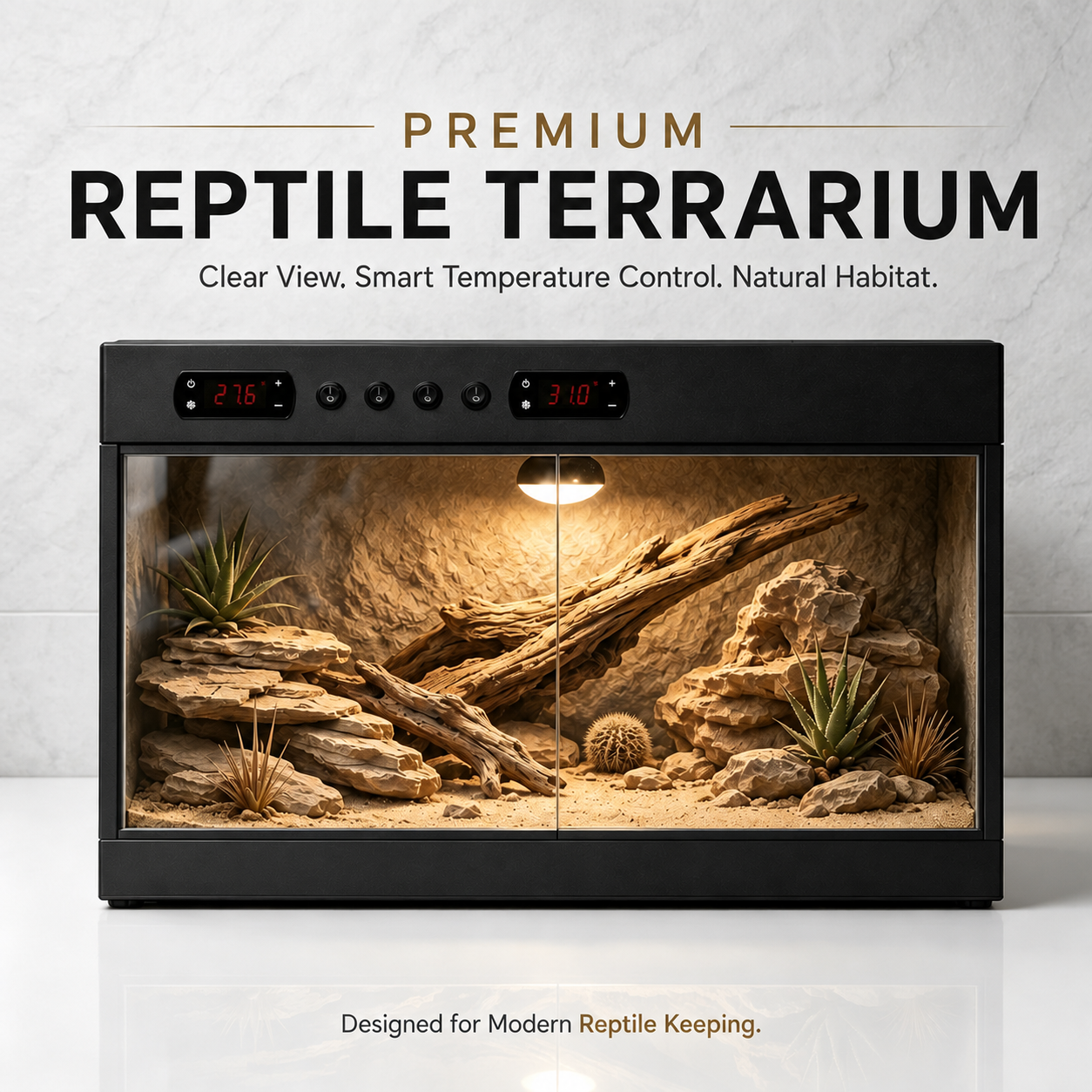
A 15-gallon tank provides ample room for a crocodile gecko to climb and hide. When considering the enclosure size, ensure the tank height allows for vertical space, as these geckos love exploring multiple levels. It would be best to incorporate rocky basking areas such as crevices and caves to mimic their natural habitat and support their natural behaviors.
Crocodile geckos are territorial creatures, so it’s important to house males separately to prevent aggression. The additional vertical space accommodates their climbing tendencies and helps reduce territorial disputes by offering multiple hiding spots and basking areas. This setup ensures each gecko has its own space to feel secure.
Creating a stimulating and comfortable environment is essential for your crocodile gecko’s well-being. Use a variety of decor and hiding places to keep the gecko engaged and stress-free. These elements are crucial in maintaining a healthy and happy pet. Remember, a well-structured enclosure with ample climbing and hiding opportunities will allow your crocodile gecko to thrive in captivity.
reptileshome
120 Gal PVC Temperature Control Terrarium for Ball Pythons & Bearded Dragons YRT-120
Share

Conclusion
When caring for a crocodile gecko, you’ll find their unique needs and behaviors intriguing. You’ll guarantee they thrive by providing a habitat that mimics their natural rocky environment and a diet of live insects.
With proper care, these enthralling reptiles can live up to 10 years. Understanding their physical characteristics and health needs will help keep them healthy and happy.
Embrace the adventure of owning a Crocodile Gecko, and you’ll be rewarded with an extraordinary pet.